
Site Preparation in Construction: Key Steps Before Building Begins
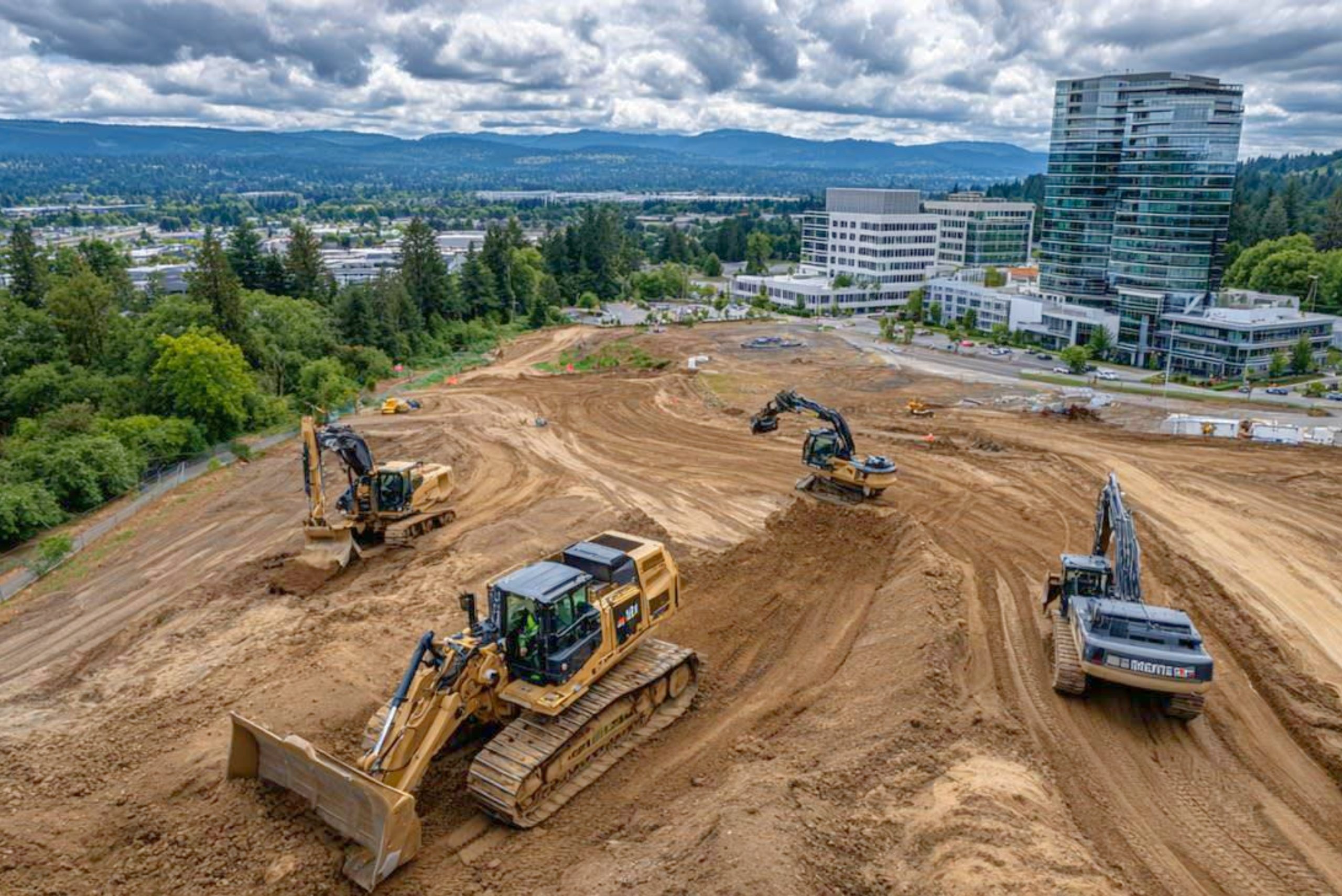
Site preparation in construction is one of the most important stages before any building project begins. It involves preparing the land, assessing ground conditions, and establishing a suitable working environment to support safe and efficient construction activities. Proper preparation helps project owners minimize potential risks, avoid unnecessary delays, and establish a solid starting point for the development process.
What Is Site Preparation in Construction?
Site preparation refers to the process of making a construction area ready for building activities. The scope depends on the site’s existing conditions, project requirements, and engineering specifications.
According to Indonesia’s Online Single Submission (OSS) system under KBLI 43120, land preparation activities include clearing, excavation, grading, soil stabilization, filling, and other ground-related works required for construction.
For commercial and industrial developments, these activities commonly include:
- Land Clearing: Removing vegetation, debris, and unwanted materials from the site.
- Site Surveying: Measuring land boundaries, elevations, and existing site conditions.
- Soil Investigation: Assessing ground conditions to determine whether the soil is suitable for the proposed development.
- Excavation and Earthworks: Removing or relocating soil to achieve the required ground levels.
- Grading and Compaction: Adjusting and strengthening the ground surface according to project specifications.
- Drainage Preparation: Establishing water management systems to reduce potential water accumulation.
Why Is Proper Site Preparation Important?
A well-prepared construction site provides a more controlled environment for subsequent construction activities. Without proper assessment and preparation, projects may encounter ground instability, drainage issues, construction delays, or additional costs.
For business owners and project stakeholders, effective site preparation offers several benefits:
- Improved Project Planning: Provides accurate site information before construction begins.
- Better Ground Conditions: Helps ensure the site meets the requirements for the planned structure.
- Risk Reduction: Identifies potential ground and excavation hazards at an early stage.
- Construction Efficiency: Supports smoother coordination between contractors and project teams.
- Cost Management: Helps minimize unexpected work and avoidable rework.
The Occupational Safety and Health Administration (OSHA) emphasizes the importance of evaluating soil conditions, identifying underground utilities, and implementing appropriate protective measures before excavation activities begin.
Key Considerations Before Starting Site Preparation
Before starting a construction project, several factors should be evaluated to ensure that the preparation process meets technical and operational requirements.
Important considerations include:
- Site Conditions: Understand the existing topography, soil characteristics, and surrounding environment.
- Technical Requirements: Review engineering drawings, site measurements, and project specifications.
- Underground Utilities: Identify existing water, electrical, gas, and drainage networks before excavation.
- Safety Procedures: Establish appropriate safety measures for workers, equipment, and nearby structures.
- Project Schedule: Coordinate preparation activities with the overall construction timeline.
Proper coordination between project owners, consultants, and contractors is essential to ensure that all preliminary requirements are addressed before the next construction phase.
Conclusion
Site preparation is more than simply clearing and leveling land. It is a structured process that establishes the physical and technical conditions required for successful construction.
By conducting proper site assessments, managing ground conditions, and coordinating preliminary activities, businesses can create a more reliable starting point for their construction projects. Careful preparation ultimately supports better project execution, safety, and long-term building performance.


